
In the days of Pablo Escobar and the Medellín Cartel, Medellín had a well earned reputation as the most dangerous city in the world. In 1991, two years before Escobar’s death, there were 7,273 murders at a rate of 266 per 100,000 people. A disproportionate number of those occurred in the impoverished neighborhood known as Comuna 13, a densely packed area on the west side of Medellín that crawls up the steep valley walls.
In the 1800s, Comuna 13 was an agricultural area but transformed into a lower class neighborhood home to factory workers by the 1950s. By the 1980s, low income, a lack of resources, and terrain that made it easy both to watch for and to hide from the authorities resulted in many turning to a life of crime. Drug trafficking, kidnapping, extortion, and murder were rampant. The characteristics of the area that led to the growth of crime also made it very appealing to guerrilla and paramilitary groups who moved in and controlled the area with an iron fist, subjugating the population with fear and intimidation. For many years, the Colombian government turned a blind eye on Comuna 13.
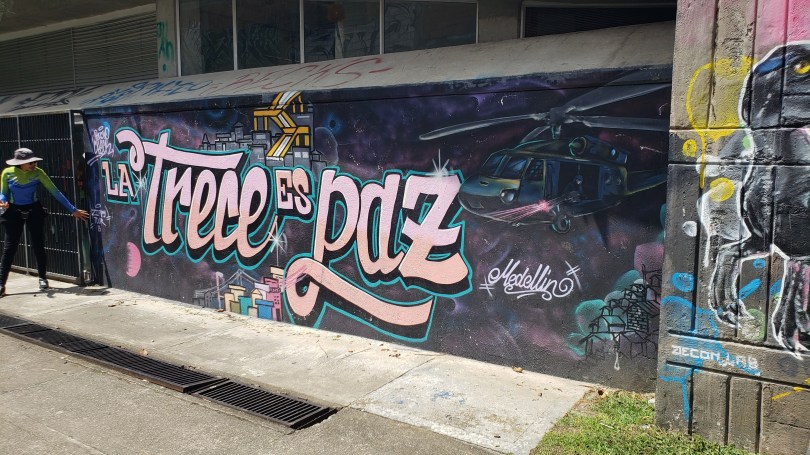
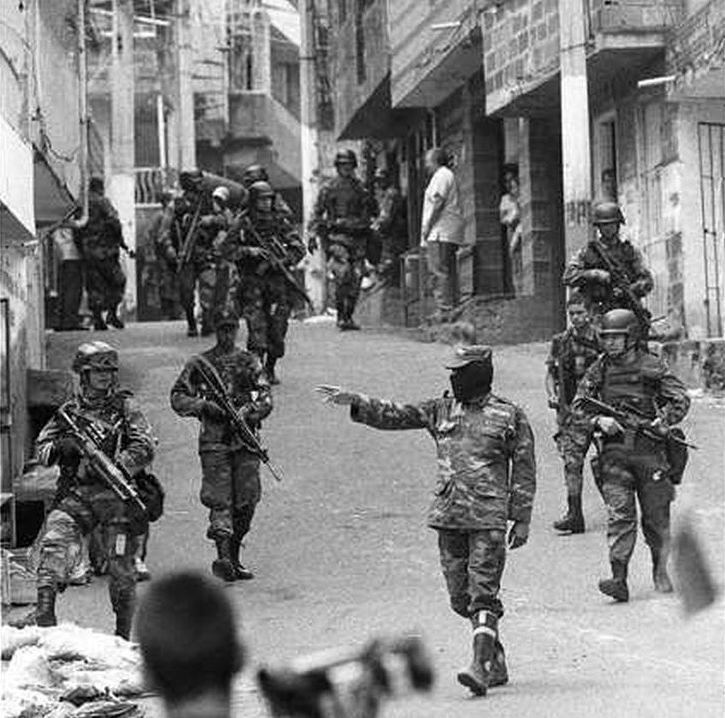
In 2002, Operation Orión began what eventually became a miraculous transformation in the most brutal of ways. The National Police partnered with the Columbian army and foreign intelligence agencies to attack the neighborhood and its residents in a armed assault that included an Apache helicopter outfitted with heavy artillery. In addition to killing and capturing the guerillas, hundreds of innocents were either murdered or just disappeared. The neighborhood was left in ruins.
Think about that. Where were you in 2002 and the years leading up to it? Personally, I was living in San Francisco and then Seattle, early in my tech career, traveling nationally and internationally. The idea of having my neighborhood the target of a government-sponsored military assault was about as far from a reality that I could imagine as you could get.
My tour guide Laura from Zippy Tours, who is about my age, understands what that time and event was like all too well. She was born in Comuna 13 and has lived her entire life there. During the free walking tour (tips appreciated and well deserved) that I went on with a couple of traveler friends, she described what it was like as a child, stepping over dead bodies in the street on her way to school. She described the shame and embarrassment she felt over her neighborhood, not wanting to tell others where she lived when she ventured outside her local area. She described the horrors of Operation Orión as the soldiers went house by house looking for guerrilla factions and often executing them and those they suspected of harboring them on sight.
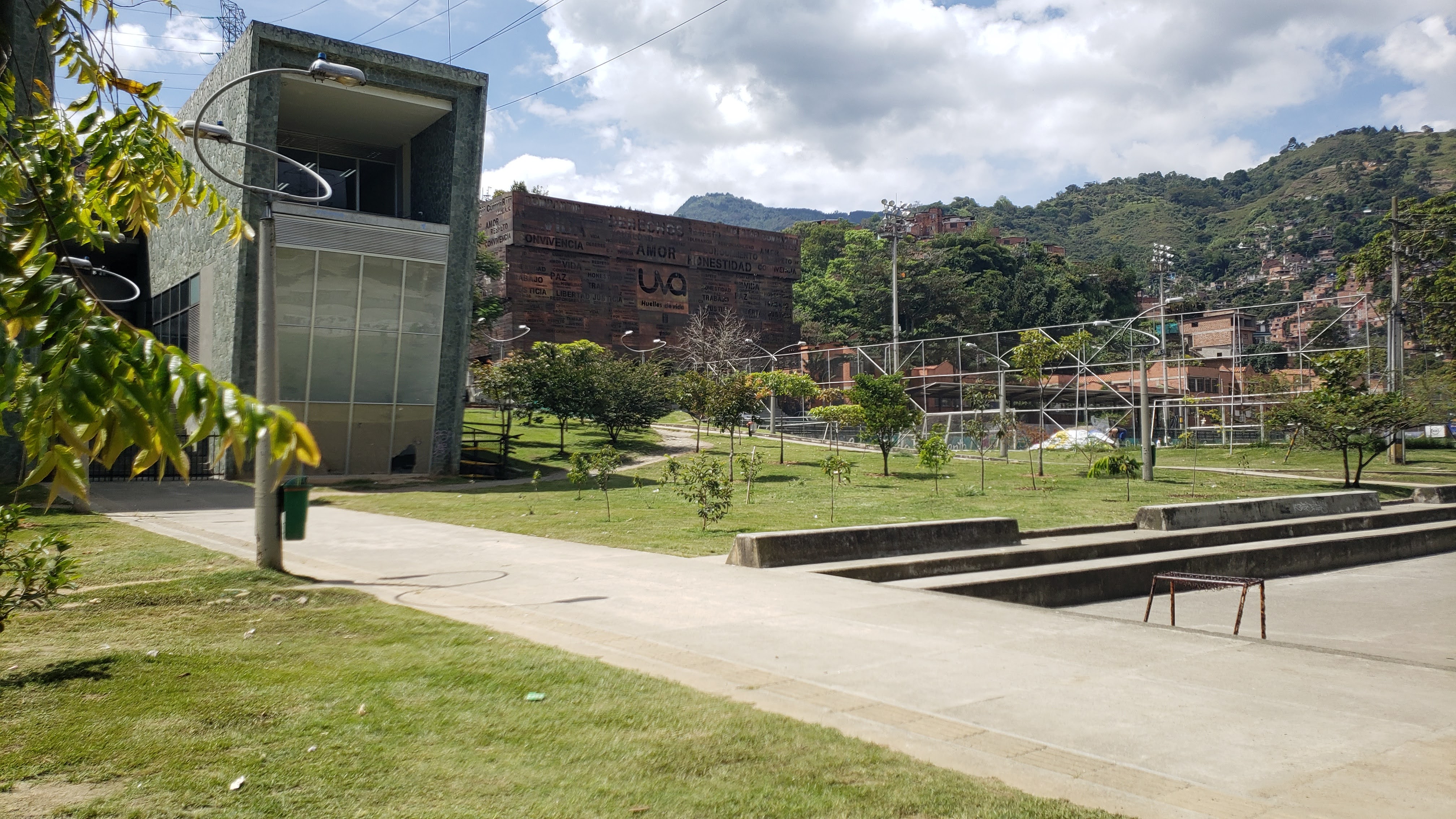
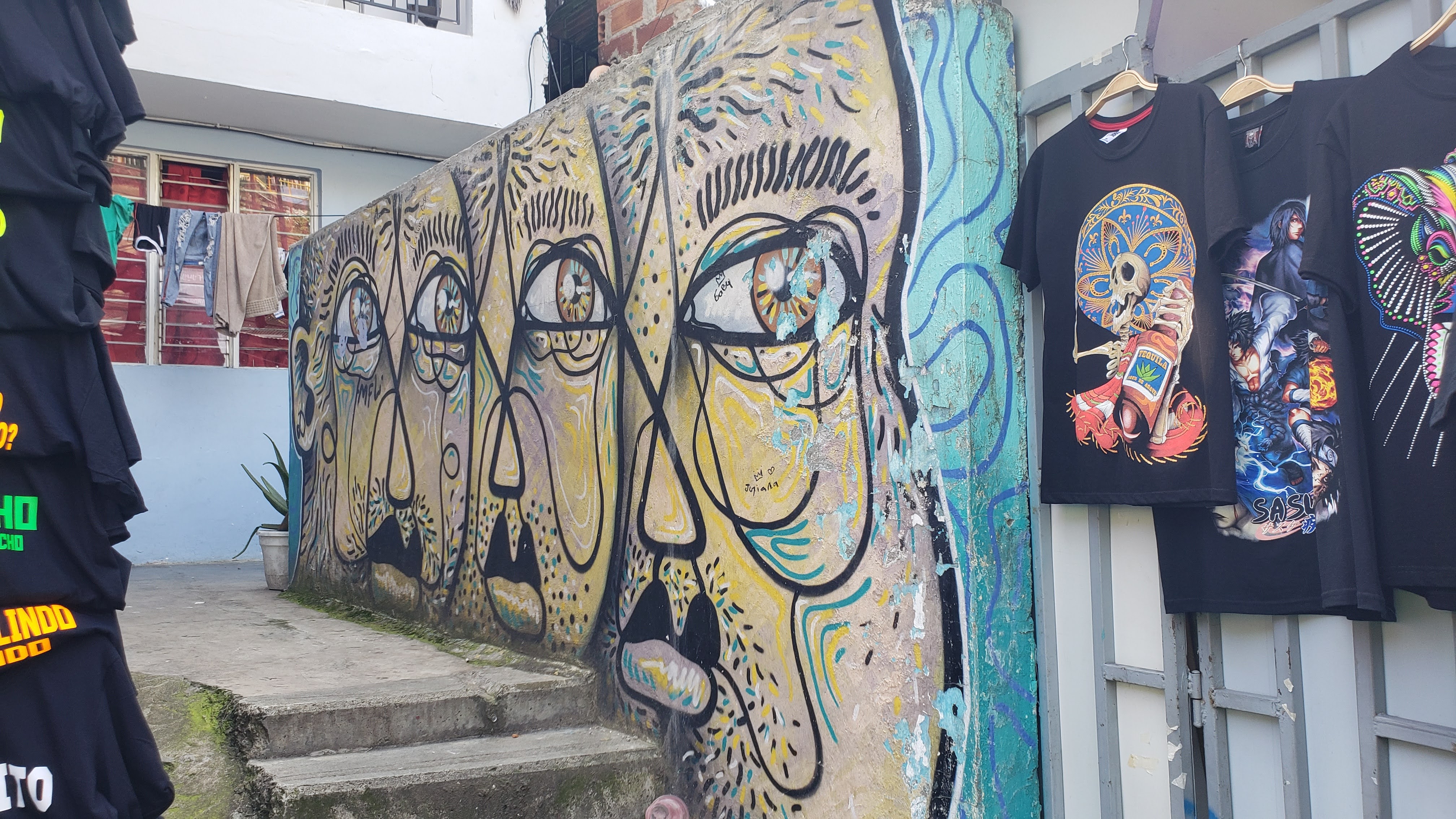
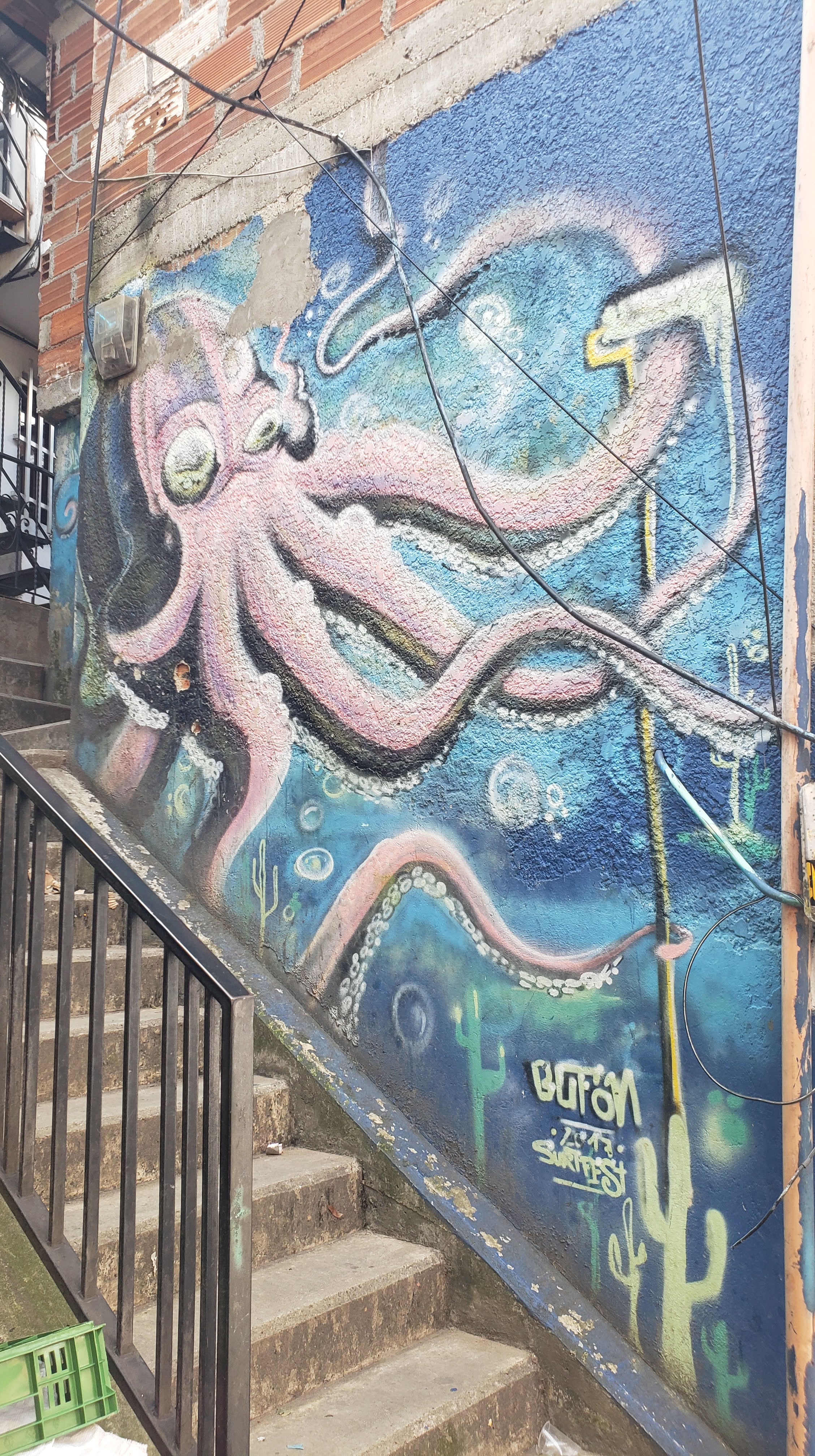
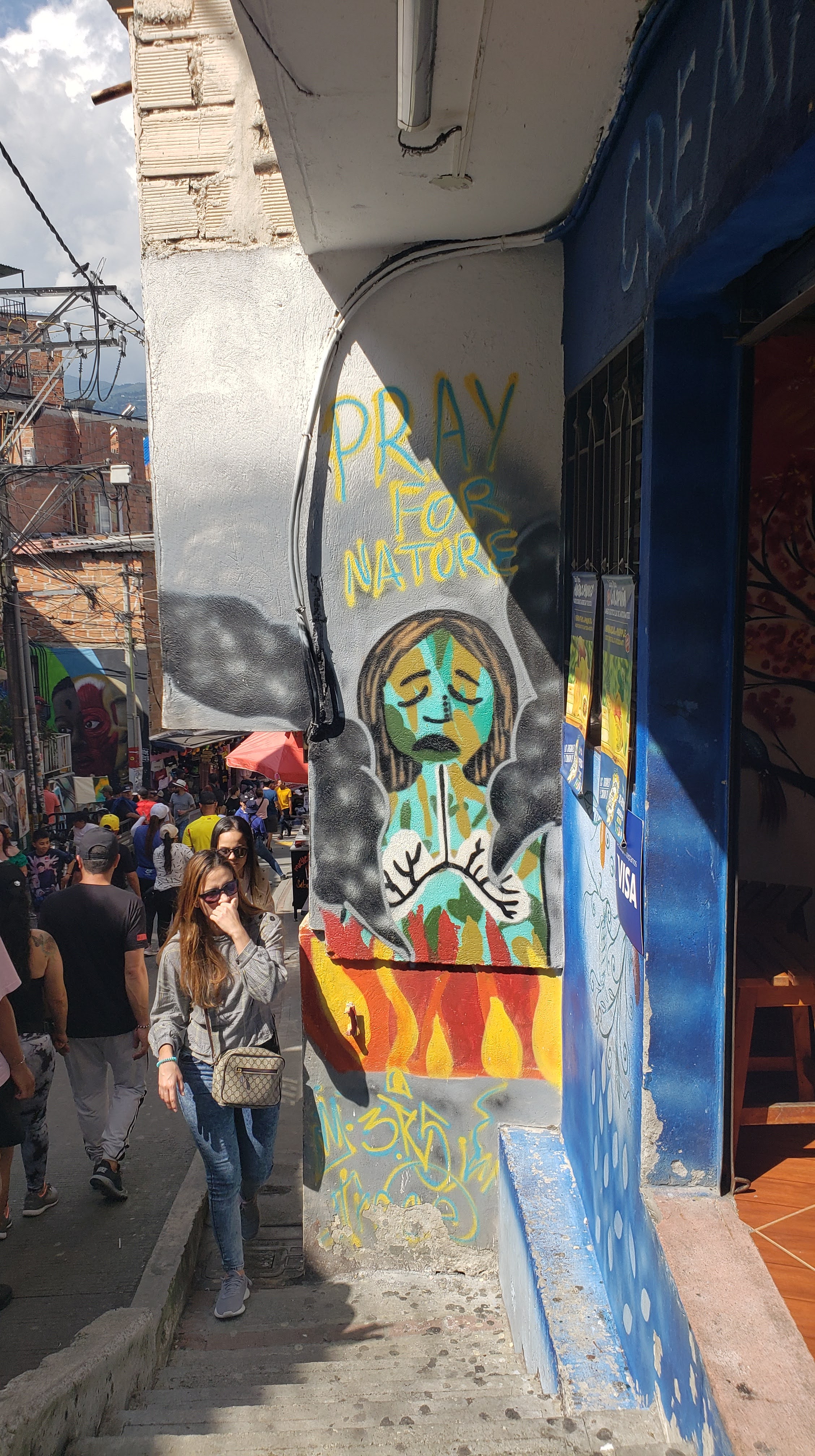
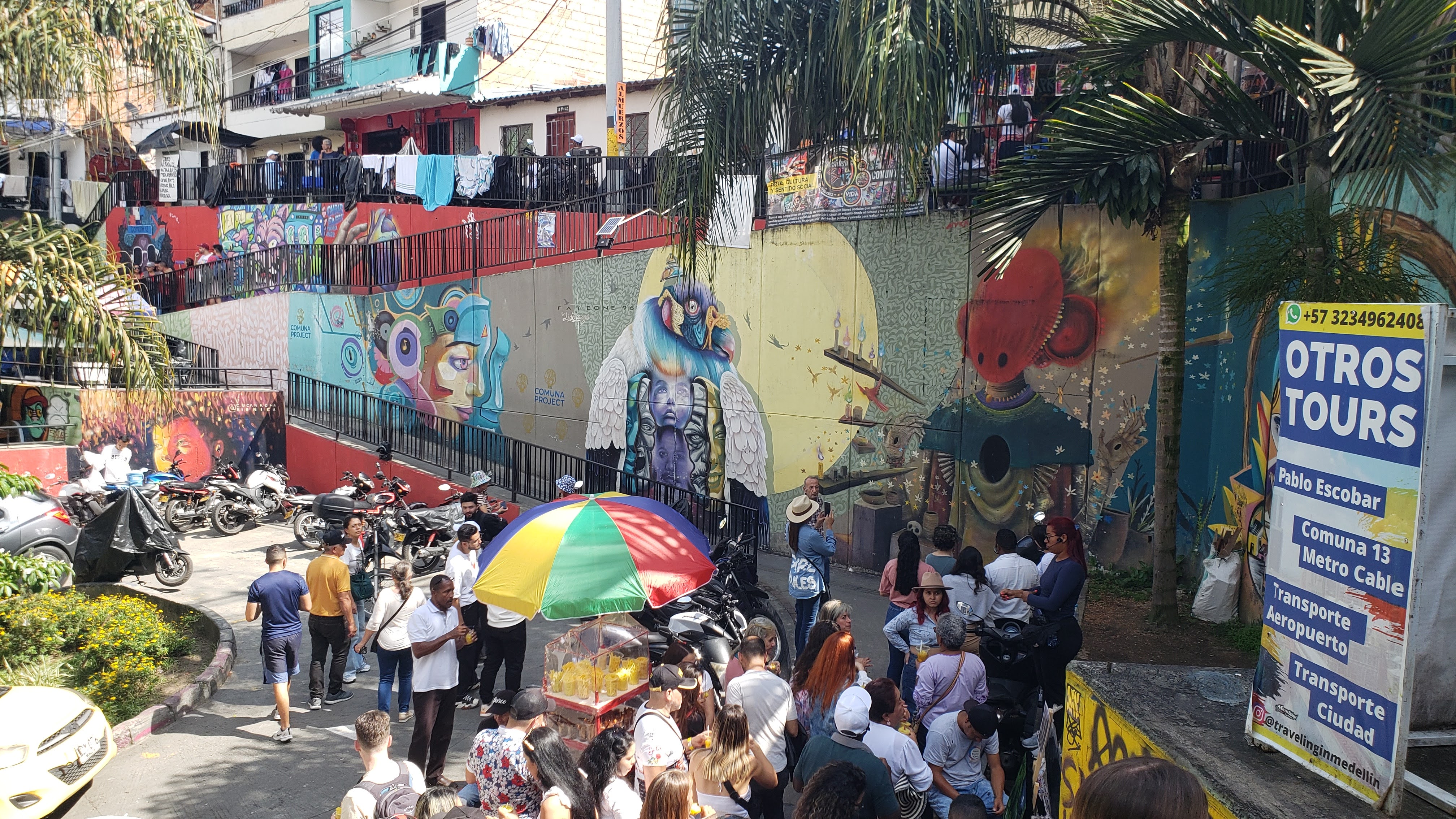
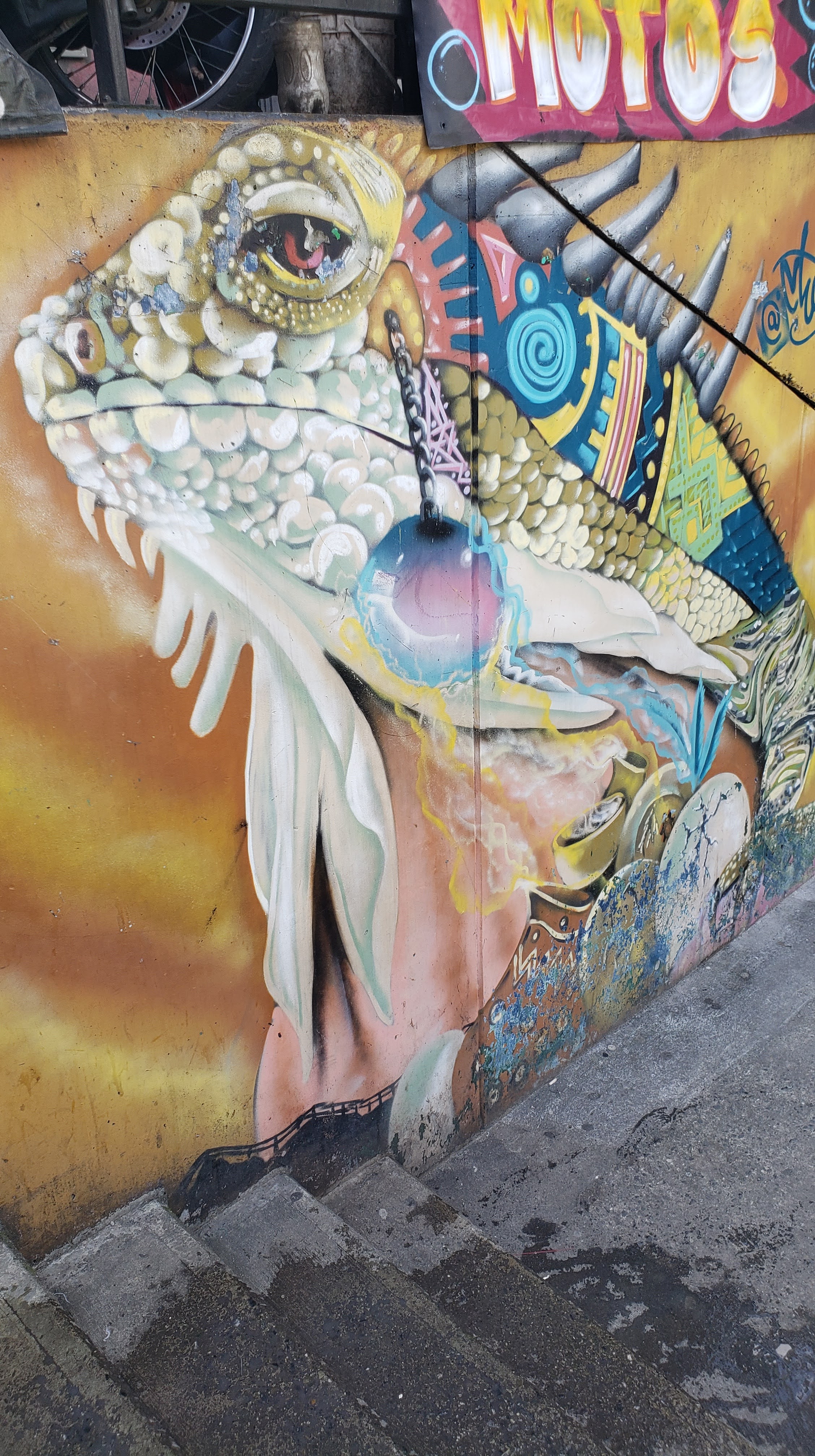
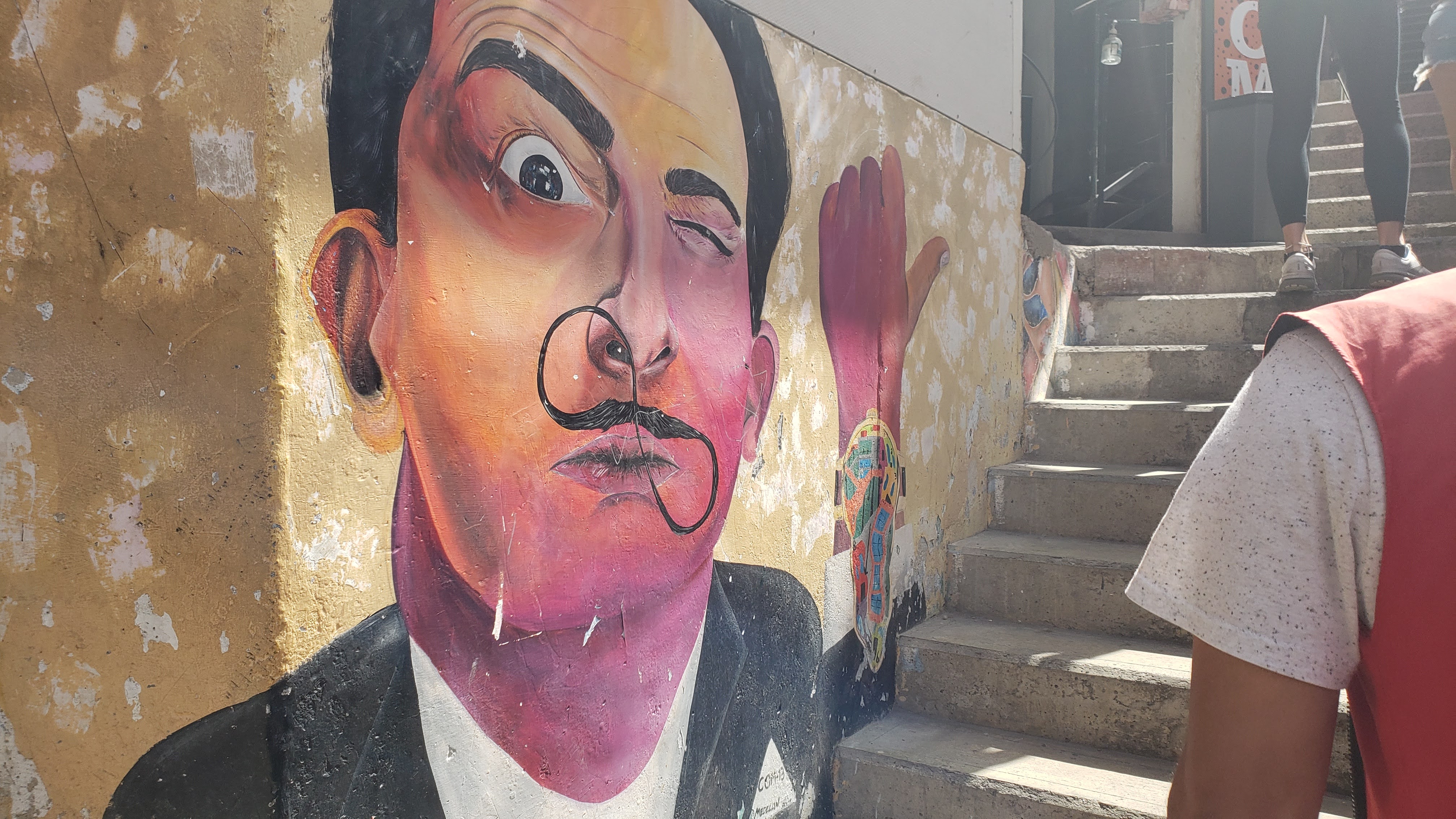
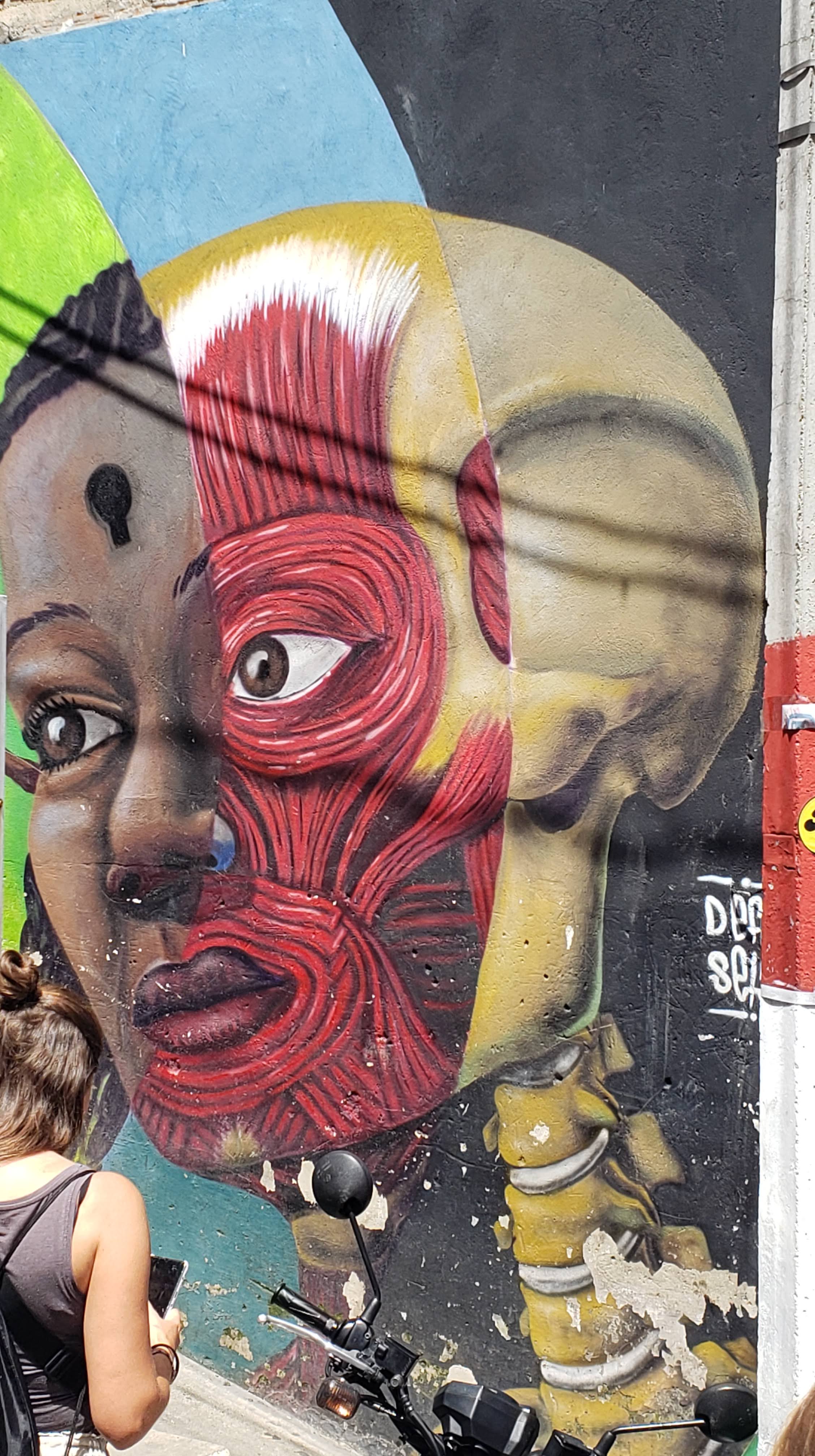
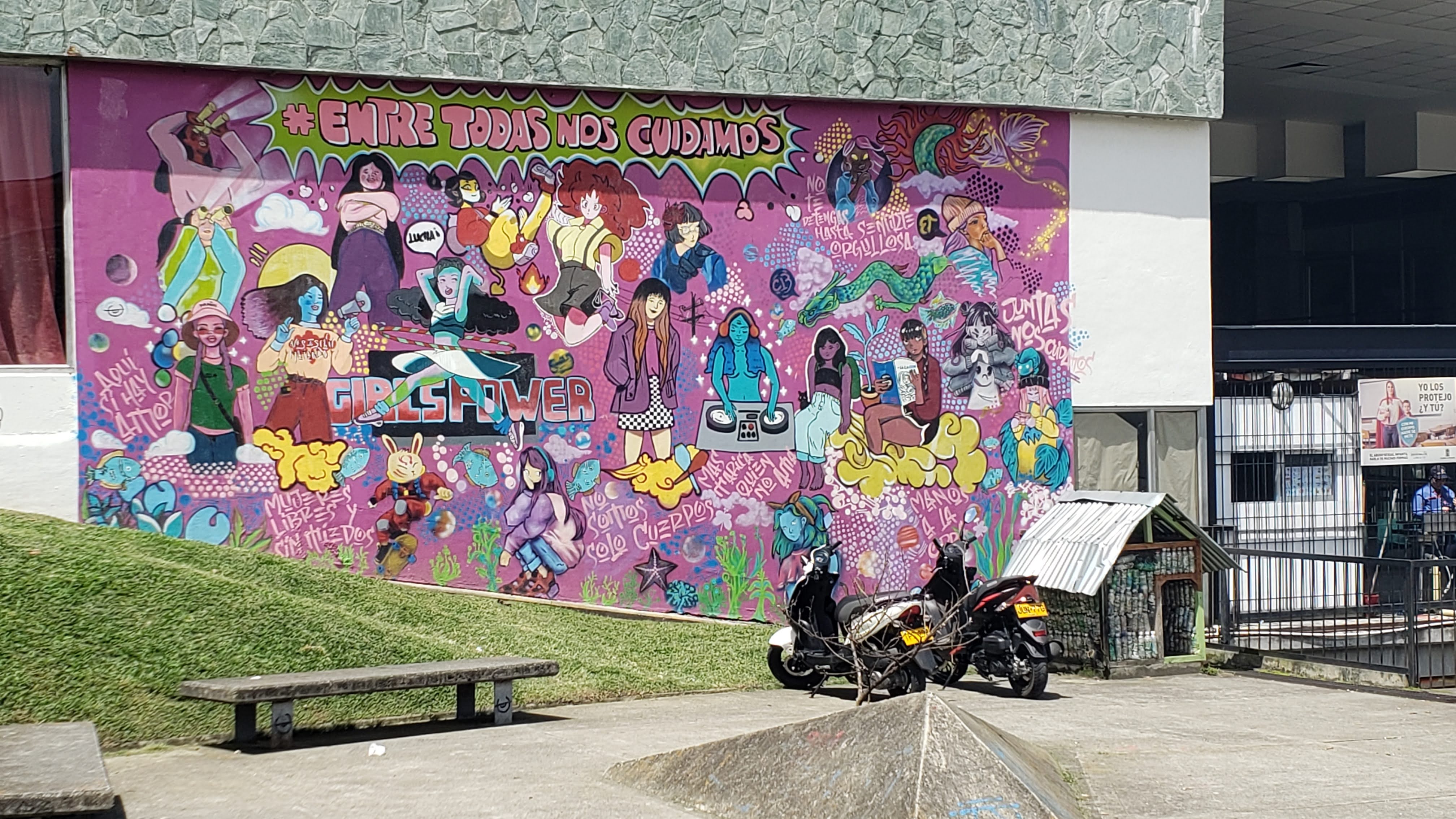
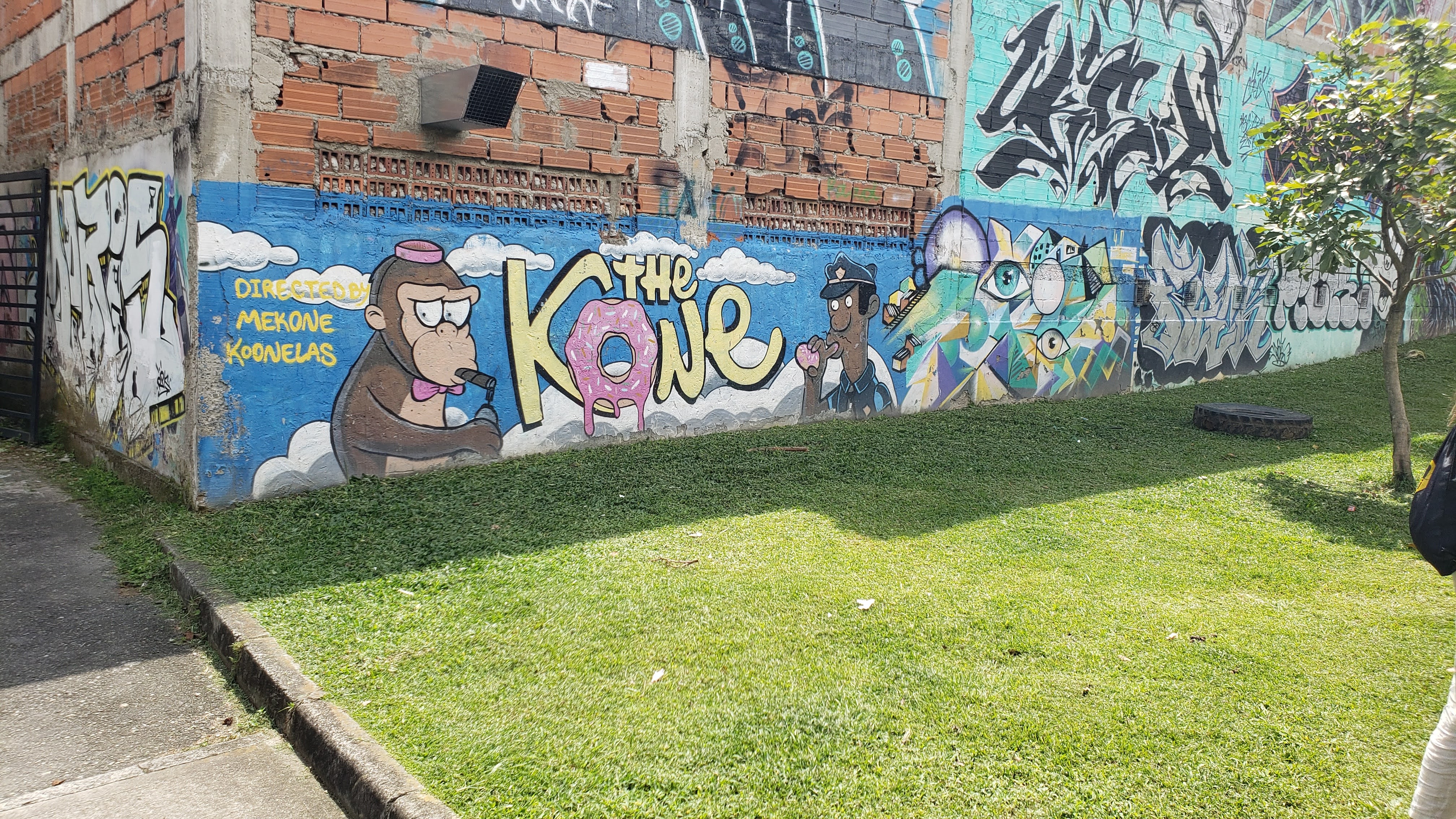
Laura also speaks with pride about what the neighborhood has become. Following the brutality of Operation Orión, the Colombian government began a campaign of investment in infrastructure and social projects that have turned Comuna 13 into one of the most popular tourist destinations in Medellín. Where ramshackle houses built of wood and scrap materials once stood, sturdy brick and concrete structures now scale the steep terrain. Ample parks, athletic fields, and art centers now provide places for kids to gather and participate in organized activities after school. Social justice centers and local government buildings provide access to services that simply weren’t available before. An area once characterized by urban decay now teems with small businesses and vibrant murals on nearly every available wall. Movement through the steep streets of the area has also been improved in two ways. From the San Javier station of the Metrocar line that ends in Comuna 13, a Metrocable line travels uphill to the north, and 6 outdoor escalators climb the slopes to the south in the center of the tourist district.
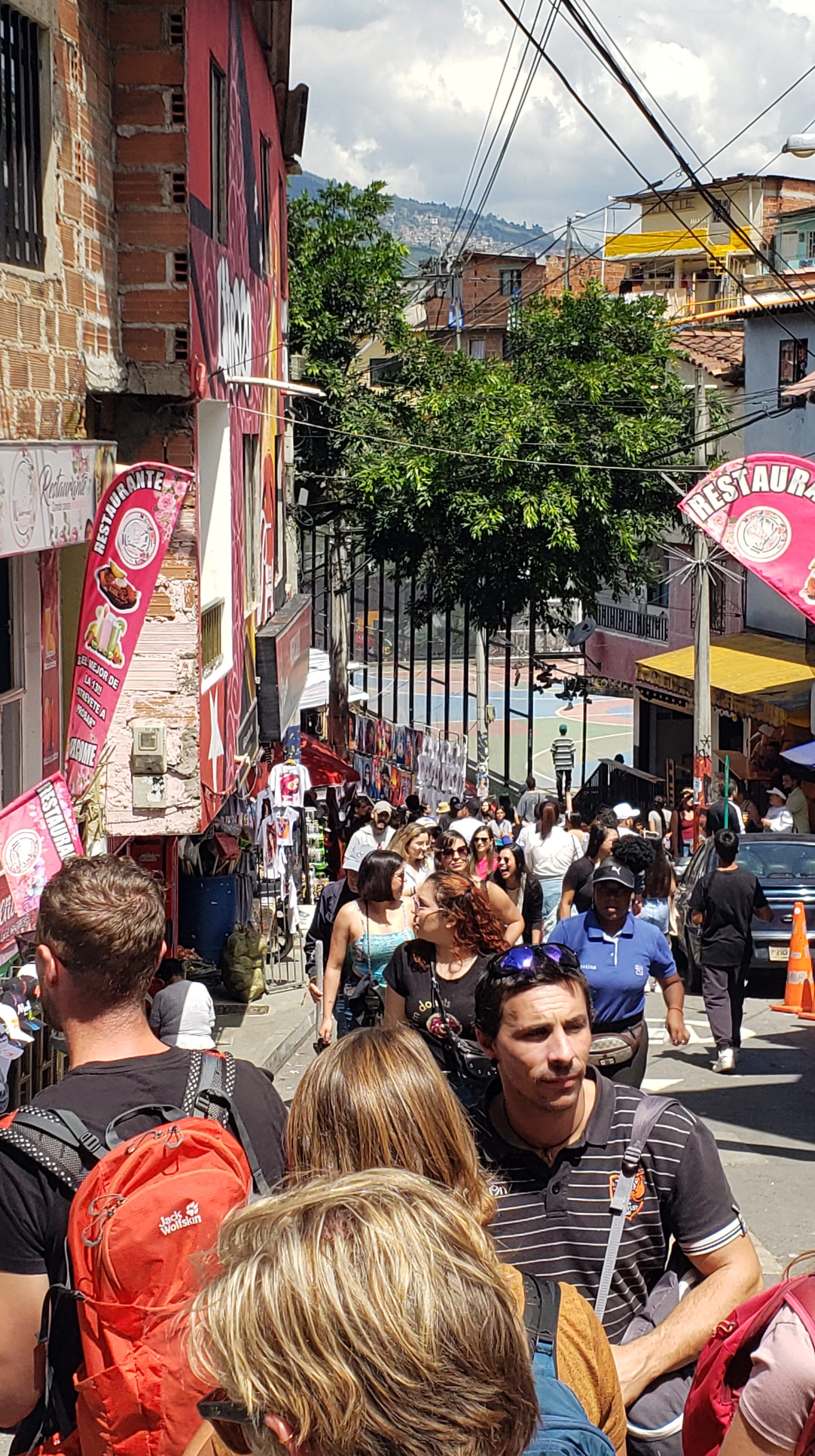

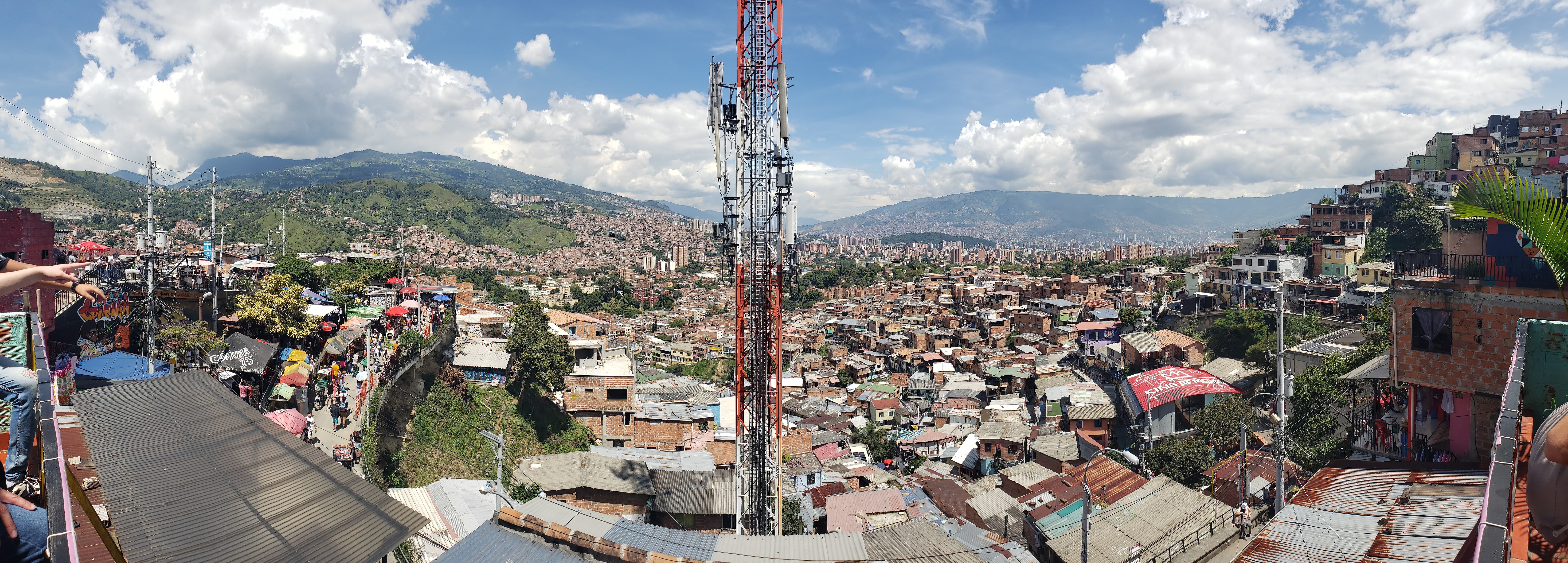
Investment in both the infrastructure and the people of Comuna 13 have combined to write a story of successful transformation that may be unmatched anywhere in the world. Streets that once ran with the blood of the locals and that no sane tourist would think of setting foot on are now filled with life and traveler-fueled commerce. Understanding the benefits that have accrued to the area thanks to tourist spending, the locals ensure that the area is now one of the safest in the city. Pickpocketing and petty crime is something that exists and that you must be aware of in any tourist district anywhere in the world, but violent crime is a thing of the past in Comuna 13.



 X Nomad Life